Back to projects

Three Good Choices
A Campus Meal Plan
That Works With the Canteen

Helping students eat better on a budget by replacing overloaded menus with three transparent daily meals, without replacing the canteen they love.

Back to projects

Three Good Choices
A Campus Meal Plan
That Works With the Canteen

Helping students eat better on a budget by replacing overloaded menus with three transparent daily meals, without replacing the canteen they love.

Back to projects

Three Good Choices
A Campus Meal Plan
That Works With the Canteen

Helping students eat better on a budget by replacing overloaded menus with three transparent daily meals, without replacing the canteen they love.

TL;DR

The Problem

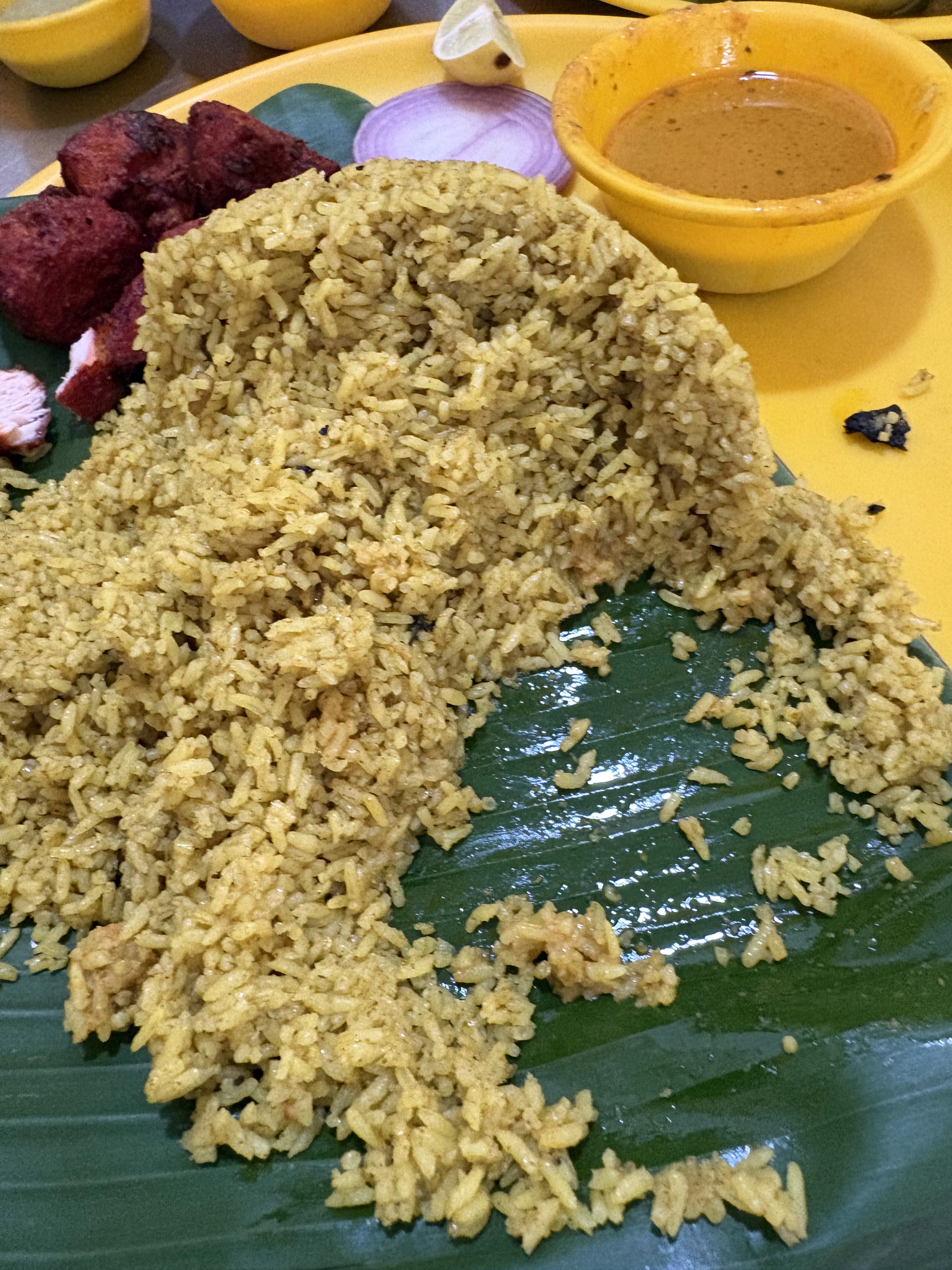
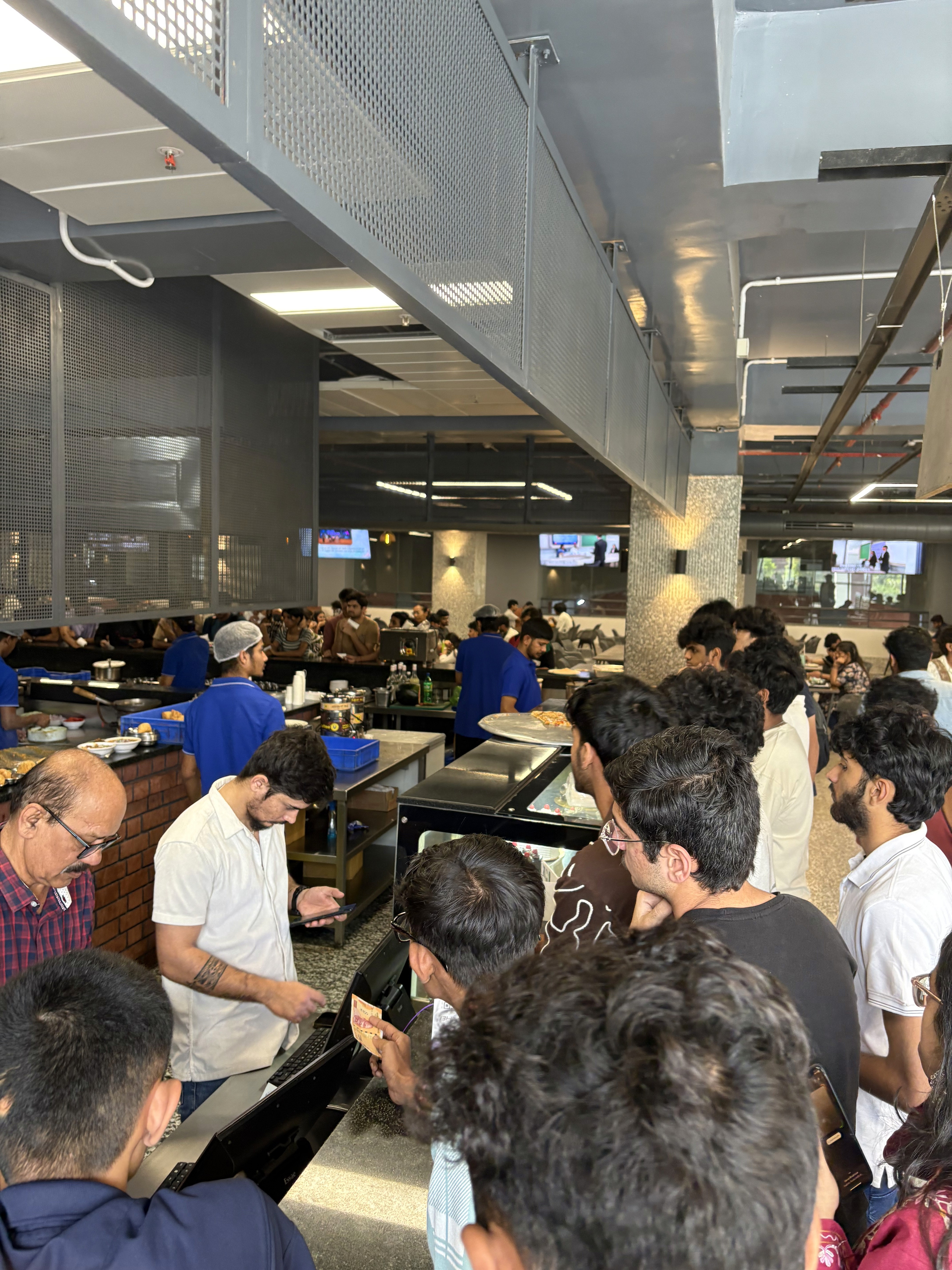
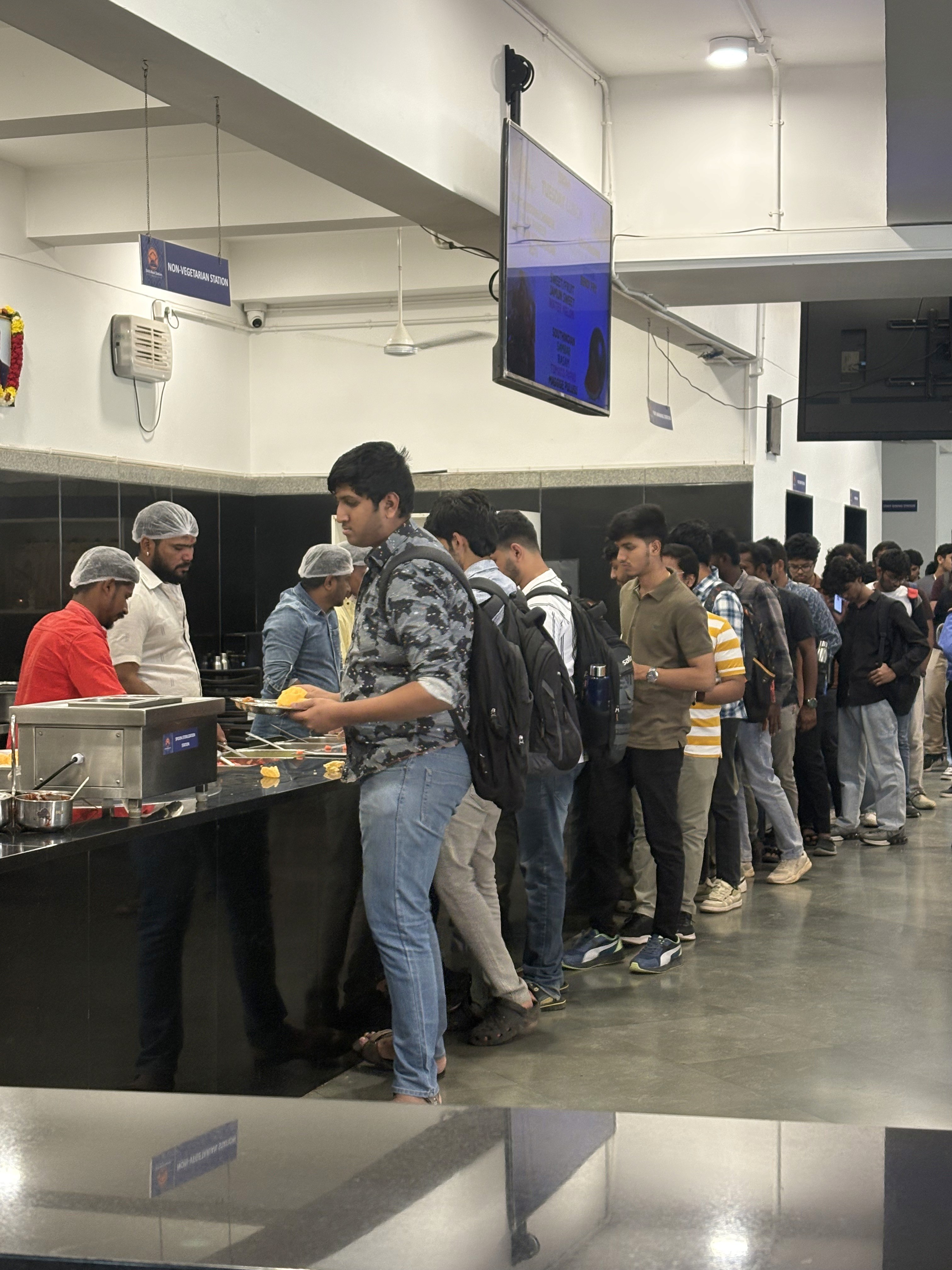
The campus canteen was the easiest way to eat, yet it was riddled with issues: long lines, noisy menus, mostly oily or artificially coloured food, and no sense of calories or protein—just as students were trying to eat “healthier” on tight budgets.

The Research

Observations and student conversations surfaced four clear archetypes who all behaved the same way, and designing for these archetypes seemed like the best option.

The Solution

A four‑option meal‑plan layer that sits alongside the canteen, with transparent calories/macros, predictable pricing, and small swappable components prepared by the existing kitchen.

Type of project

Passion project to solve a problem I noticed my brother was facing while going to college

Timeline

4–6 weeks
Concept evolution from generic ordering app to canteen‑partnered meal plan.

Context & Constraints

Where does this problem live?

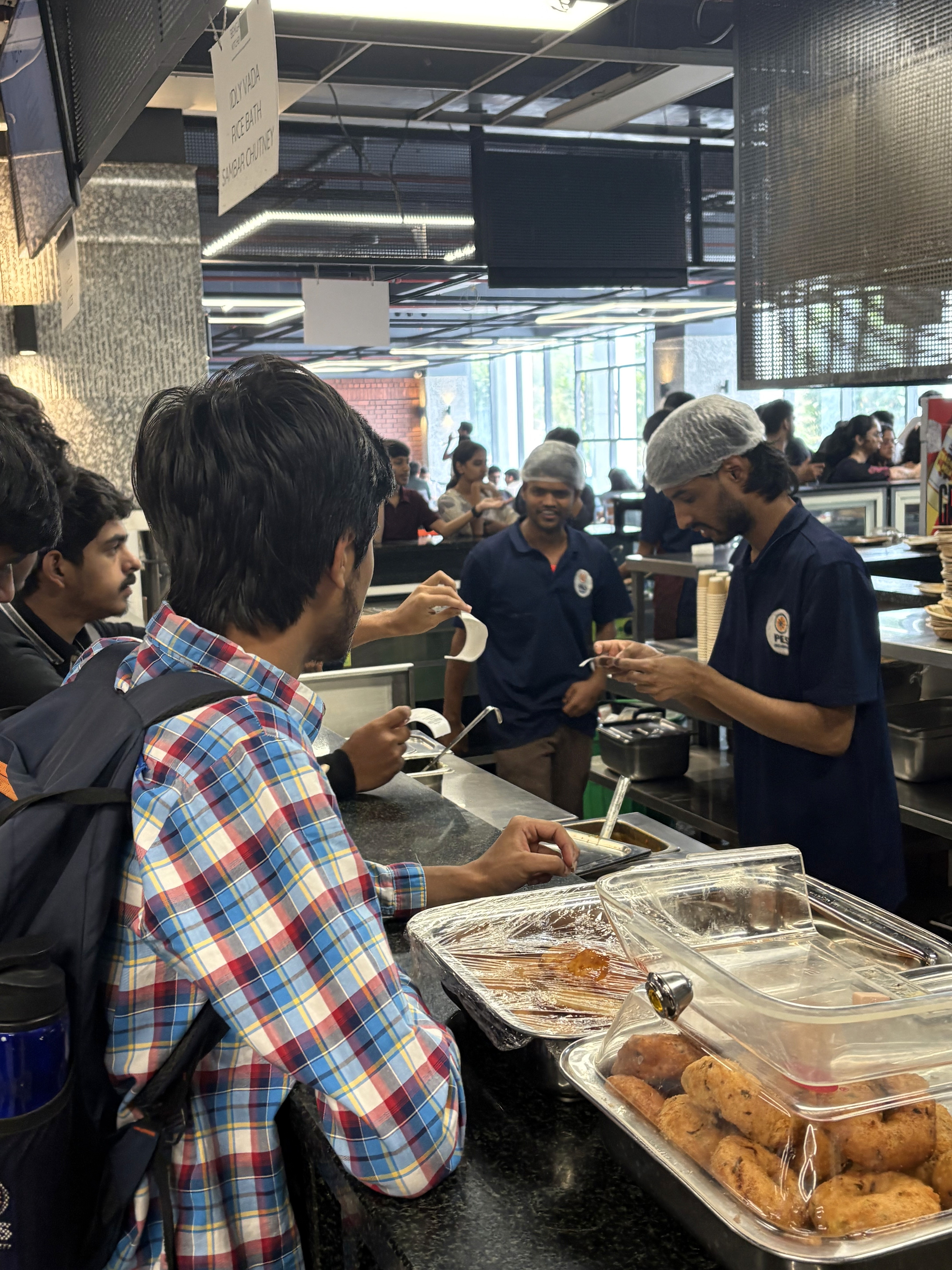
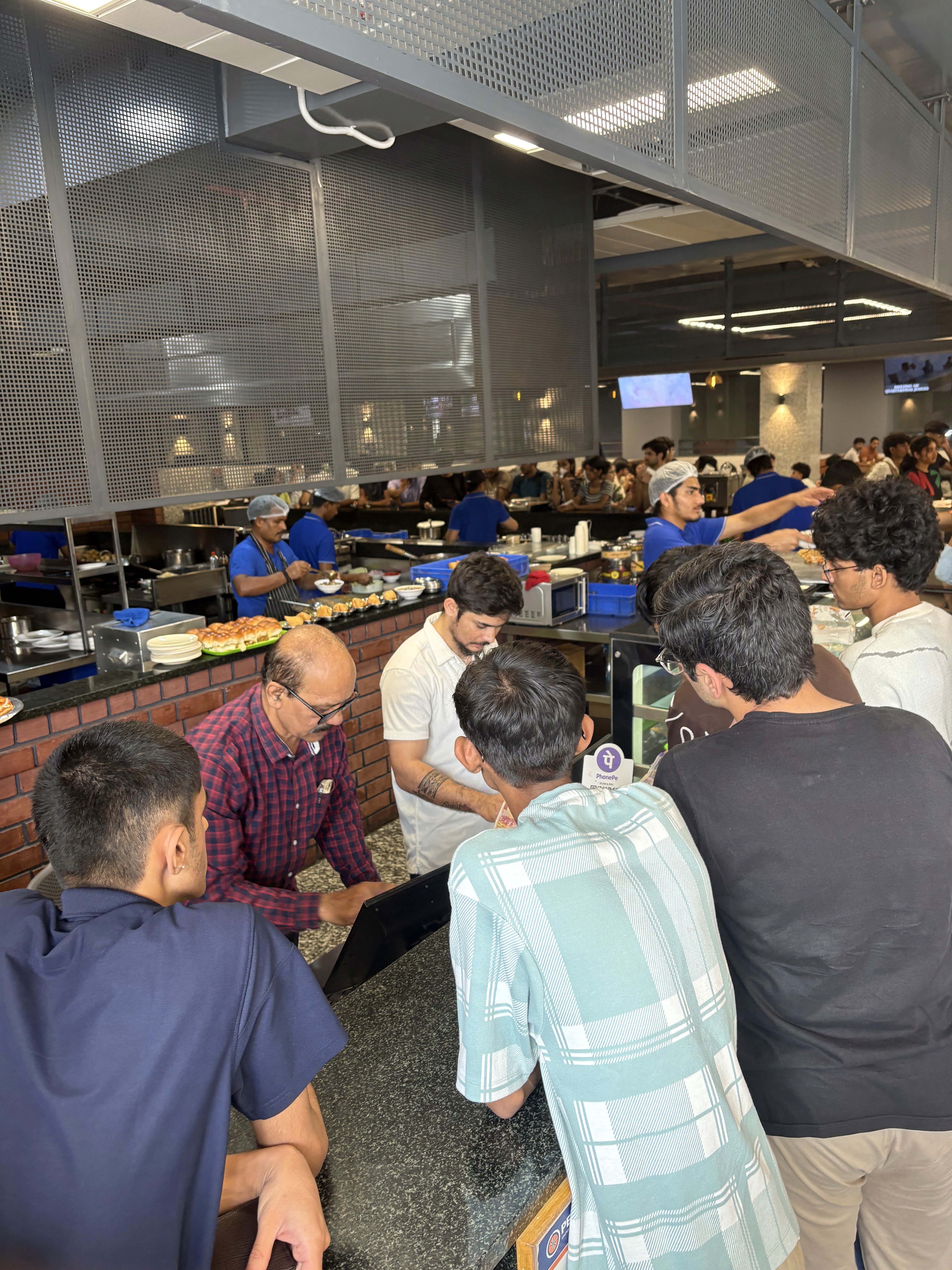
The project lives in a busy campus canteen that’s the default lunch spot between classes, serving day scholars and hostel/PG students who have 30-45 minutes to eat and reset. They face long, handwritten menus filled with mostly heavy or fried dishes, bright artificial colours, and no visible information about calories, protein, or how filling a meal will be.

The project lives in a busy campus canteen that’s the default lunch spot between classes, serving day scholars and hostel/PG students who have 30-45 minutes to eat and reset. They face long, handwritten menus filled with mostly heavy or fried dishes, bright artificial colours, and no visible information about calories, protein, or how filling a meal will be.

The canteen trap

The canteen is convenient and familiar, although most meals are chosen under time pressure, from an overloaded board, with almost no sense of how healthy or filling they actually are.

As a student I never realised this while I was placing my own orders, this taught me how researching as an unbiased third party helps you learn a lot more than you think.
Context & Constraints

What I could and couldn’t change

The homepage wasn't broken. It was invisible.

Within these constraints, the challenge wasn’t to reinvent the canteen from scratch, but to wrap it in a structure that made better everyday decisions feel just as easy as grabbing the usual.

Could work with

  • The existing canteen kitchen and staff.

  • Digital flows for planning, payment, and pickup.

  • Students’ growing interest in “eating better” and “more protein”.
Could not change

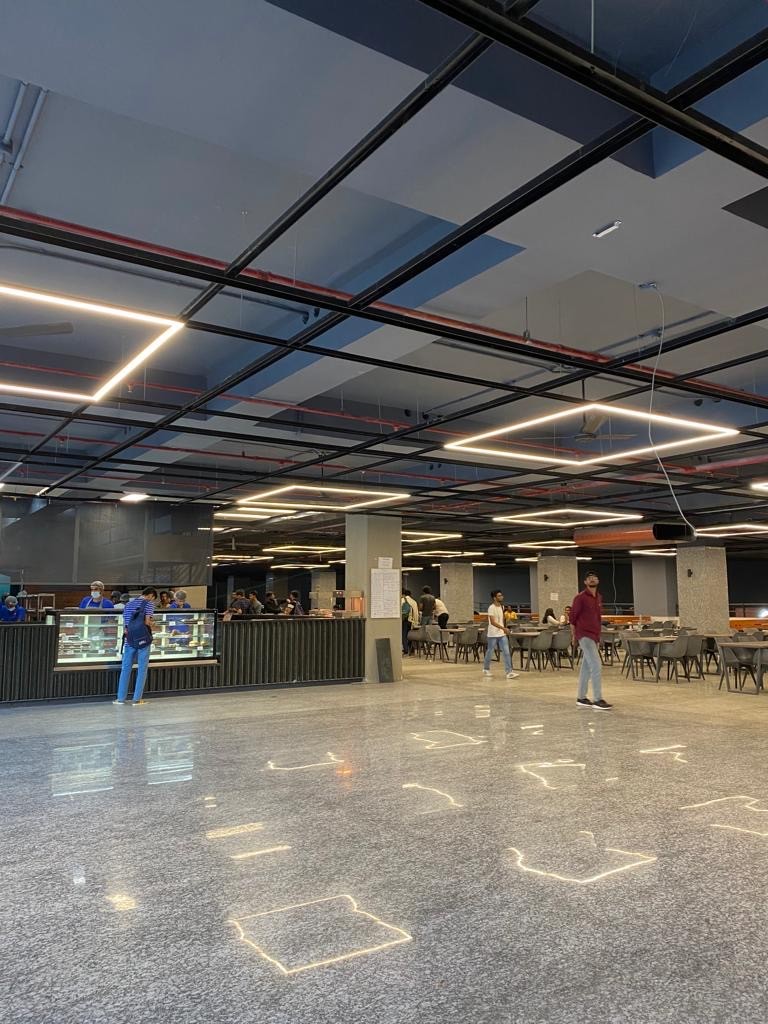
  • No new buildings, vendors, or extra kitchen lines.

  • No turning the canteen into a strictly “health food” outlet.

  • No expectation that students count every gram or track every meal.
Had to respect

  • Tight student budgets and fixed monthly allowances.

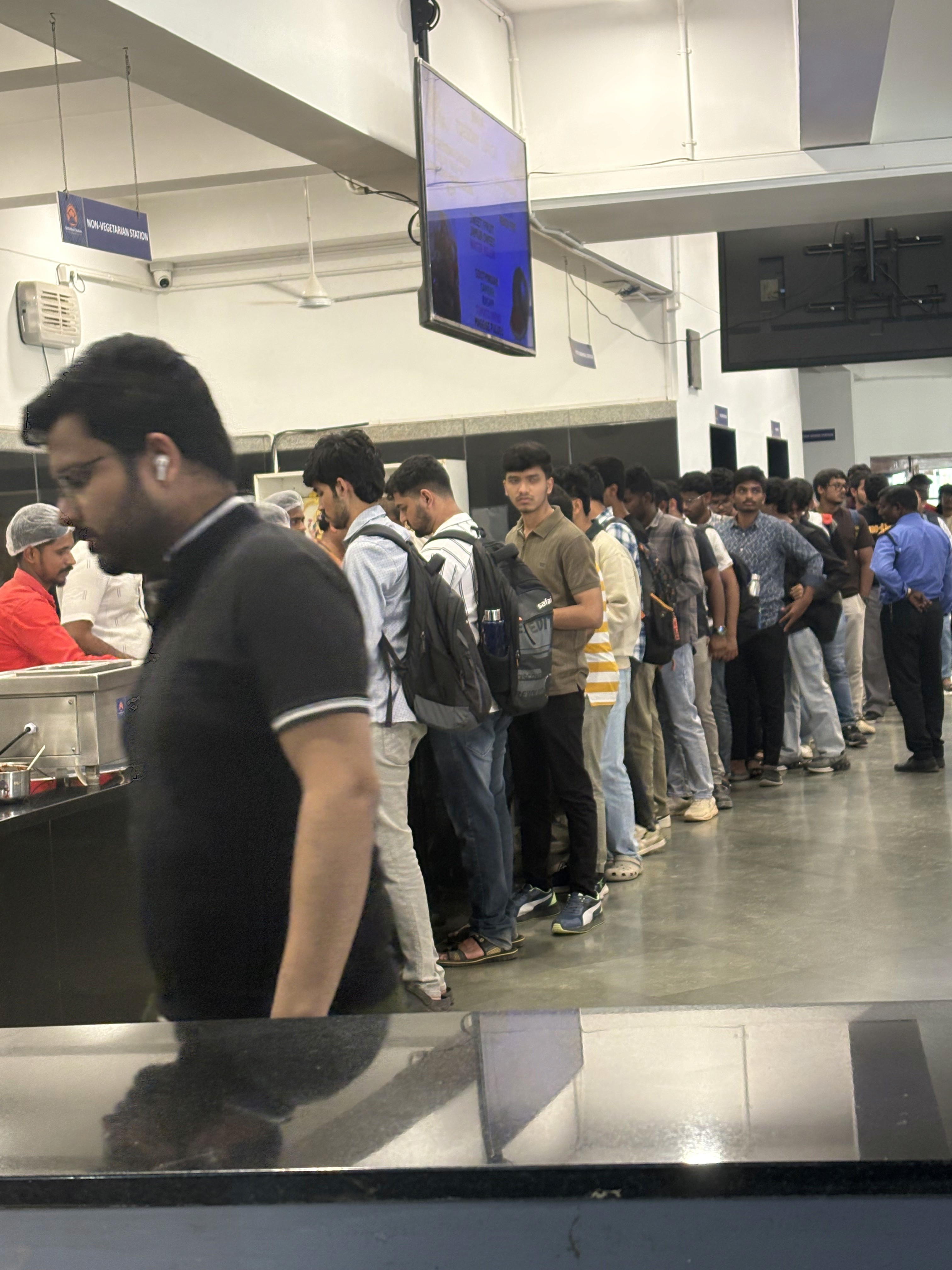
  • Short meal windows between classes.

  • The canteen’s role as a social, sometimes “cheat‑day” space.
The Problem

Who are we really designing for?

Very different motivations, one common behaviour: most of them end up choosing from the same tiny corner of the menu because too many unclear options feel riskier than a repeat.

Hover to see more

The Repeater · ~35%

Knows their order before they reach the counter.
Sticks to 1–2 “safe” dishes to avoid wasting money or ending up hungry again.

The Day Scholar · ~30%

Lives at home, brings lunch most days.
Uses the canteen as an “escape” once or twice a week, a treat that still has to fit the monthly budget.

The Hostelite · ~25%

Depends on mess or PG food that often feels bland and random.
Wants something that feels cleaner and more filling than mess, but cheaper and faster than delivery.

The Explorer · ~10%

Loves trying new items and convincing friends to join.
Scans the whole board, asks questions, but often walks away thinking, “That was fine, not amazing.”

The Repeater · ~35%

Knows their order before they reach the counter. Sticks to 1–2 “safe” dishes to avoid wasting money or ending up hungry again.

The Day Scholar · ~35%

Lives at home, brings lunch most days.

Uses the canteen as an “escape” once or twice a week, a treat that still has to fit the monthly budget.

The Hostelite · ~25%

Depends on mess or PG food that often feels bland and random. Wants cheaper and faster than delivery.

The Explorer · ~10%

Loves trying new items, but rarely finds a new favourite.

Wants variety without post‑meal regret.

The Problem

Who are we really designing for?

Very different motivations, one common behaviour: most of them end up choosing from the same tiny corner of the menu because too many unclear options feel riskier than a repeat.

Hover to see more

The Repeater · ~35%

Knows their order before they reach the counter.Sticks to 1–2 “safe” dishes to avoid wasting money or ending up hungry again.

The Day Scholar · ~35%

Lives at home, brings lunch most days.

Uses the canteen as an “escape” once or twice a week, a treat that still has to fit the monthly budget.

The Hostelite · ~25%

Depends on mess or PG food that often feels bland and random. Wants cheaper and faster than delivery.

The Explorer · ~10%

Loves trying new items, but rarely finds a new favourite.

Wants variety without post‑meal regret.

Insights

What did the research actually reveal?

Spending time in the canteen turned the surface problems into three clear patterns. Each insight pointed to a different part of the system that needed to change, not just the screens.

Insights

Why did the initial idea of a “ordering app” fell short?

Spending time in the canteen turned the surface problems into three clear patterns. Each insight pointed to a different part of the system that needed to change, not just the screens.

Personal Learning

Starting off, I was under the bias that we would have to create an app where students had access to the menu, ability to place an order directly to the canteen without the hassle of coming and waiting in line in the canteen. But the research opened up the possibility that this was not what was needed.

Most obvious solution ≠ Best Solution

Big menu × Ordering app
= Same confusion, just digitised

New Direction

Why did the initial idea of a “ordering app” fell short?

Research indicated that most students were protecting themselves from bad, unclear choices rather than exploring a big menu. That insight shaped a smaller set of honest defaults, plans that matched how students already ate, but with clearer nutrition and less decision fatigue.

Initial idea: a better canteen ordering app
  • Digitise the full menu.

  • Add photos, filters, and UPI.

  • Speed up queues with pre‑ordering and pickup.

What research
showed
  • Queues were slowed less by payment and more by on‑the‑spot decisions.

  • Students weren’t asking for more options; they were already overwhelmed by what existed.

  • Most of them behaved like “Repeaters” or “Survivors”, not power users of complex filters.

New Direction

Why did the initial idea of a “ordering app” fell short?

Research indicated that most students were protecting themselves from bad, unclear choices rather than exploring a big menu. That insight shaped a smaller set of honest defaults, plans that matched how students already ate, but with clearer nutrition and less decision fatigue.

Initial idea: a better canteen ordering app
  • Digitise the full menu.

  • Add photos, filters, and UPI.

  • Speed up queues with pre‑ordering and pickup.

What research
showed
  • Queues were slowed less by payment and more by on‑the‑spot decisions.

  • Students weren’t asking for more options, they were already overwhelmed by what existed.

  • Most of them behaved like “Repeaters” or “Survivors”, not power users of complex filters.

Personal Learning

Instead of another food‑ordering interface, the situation called for a different idea entirely: fewer, better‑defined meals that took the thinking out of everyday choices. Sometimes it is not a design based change, it is often a system based change that suits the solution the best.

Big menu × Ordering app = Same confusion, just digitised

Big menu × Ordering app
= Same confusion, just digitised

Curated meals × Clear defaults = Better decisions, less effort

Curated meals × Clear defaults
= Better decisions, less effort

Solution

So what did I design instead?

The solution became a four‑plan meal system that wraps around the existing canteen: it plans ahead for the kitchen, removes decision fatigue for students, and keeps the canteen as the place for treats and meet‑ups. These update on a daily basis.

Plan #1

Balanced Everyday

Your “I’ll just have my usual” plate.

See More

Plan #2

Power Plate

For days that demand more from them.

See More

Plan #3

Comfort Plate

For when you want cosy, familiar food.

See More

Plan #4

Cheat Meal

The intentional treat for those days you want to let go.

See More

Solution

Why did the initial idea of a “ordering app” fell short?

The solution became a four‑plan meal system that wraps around the existing canteen: it plans ahead for the kitchen, removes decision fatigue for students, and keeps the canteen as the place for treats and meet‑ups. These update on a daily basis.

Plan #1

Balanced Everyday

Your “I’ll just have my usual” plate.

See More

Plan #2

Power Plate

For days that demand more from them.

See More

Plan #3

Comfort Plate

For when you want cosy, familiar food.

See More

Plan #4

Cheat Meal

The intentional treat for those days you want to let go.

See More

Impact & Learnings

What would success look like?

For students
  • The lineup on the home screen narrows lunch down to a few clearly annotated options, so choosing a meal takes seconds, not a full scan of the menu.

  • Weekly schedules, history “add to lineup”, and the veg‑only toggle help them stick to a pattern that fits their budget and basic health goals without overthinking.

For the canteen
  • Pre‑selected lineups give the kitchen a stable demand picture, making batch prep and portioning easier and cutting waste.

  • A separate pickup flow for planned meals thins peak‑time queues without new counters.

Impact & Learnings

What did I learn as a designer?

For students
  • Reframing from “fix the ordering UI” to “fix the decision” led to a more honest, useful solution than just polishing a menu.

  • Limiting visible choices to a small set of strong defaults can respect students’ time and energy more than exposing the full menu.

  • Treating the canteen as a partner, kitchen, staff, pushed the work from screen design into system design.

  • A few sharp observations and conversations were enough to justify a pivot. The value was in how clearly each insight translated into a design move.